FREE Shipping on orders above ₹699

FREE Shipping on orders above ₹699
FREE Shipping on orders above ₹699

by p+care
Author
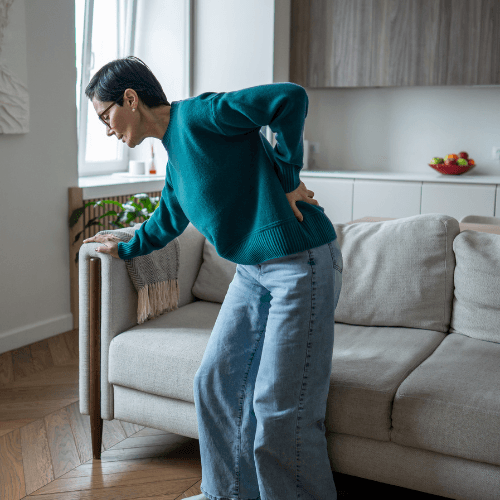
Lower back pain that spreads to the legs, causes numbness, or interferes with daily activities is often linked to a condition commonly referred to as a “slip disc.” Medically known as lumbar disc herniation, this condition affects the cushioning discs between the vertebrae of the spine.
Despite the term “slip disc,” the disc does not actually slip out of place. Instead, part of the inner disc material bulges or protrudes outward, sometimes pressing against nearby nerves. This can cause significant discomfort, mobility issues, and nerve-related symptoms.
The good news is that most cases of lumbar disc herniation improve with conservative treatment, structured rehabilitation, and appropriate spinal support. Understanding the condition and its management can help patients recover safely and reduce recurrence risk.
Understanding the Lumbar Spine and Intervertebral Discs
The lumbar spine consists of five vertebrae (L1–L5) located in the lower back. Between each vertebra lies an intervertebral disc, which acts as a shock absorber. These discs are composed of:
Discs help distribute body weight evenly and allow smooth spinal movement.
What Is a Slip Disc (Lumbar Disc Herniation)?
A slip disc occurs when the inner gel-like material pushes through a weakened area of the outer layer. This protrusion can press against nearby nerve roots, especially the sciatic nerve roots, leading to pain and neurological symptoms.
Disc herniation most commonly affects the lower lumbar region, particularly between L4-L5 or L5-S1 levels.
Causes and Risk Factors
Several factors contribute to disc herniation:
1. Age-Related Degeneration
Discs lose hydration and elasticity over time.
2. Improper Lifting Techniques
Sudden bending and lifting can strain discs.
3. Sedentary Lifestyle
Weak core muscles increase spinal stress.
4. Repetitive Strain
Frequent twisting or heavy physical work.
5. Obesity
Excess weight increases spinal load.
6. Prolonged Sitting
Increases pressure on lumbar discs.
Understanding these risk factors helps guide preventive strategies.
Common Symptoms
Symptoms vary depending on the severity of nerve compression:
In severe cases, bladder or bowel dysfunction requires urgent medical attention.
Stages of Disc Herniation
Disc problems can progress through stages:
Early stages respond well to conservative treatment.
Diagnosis and Evaluation
Diagnosis includes:
Accurate diagnosis helps tailor treatment plans.
Conservative Treatment Approach
Most patients improve without surgery. Conservative care includes:
1. Activity Modification
Avoid heavy lifting and prolonged sitting.
2. Pain Management
Short-term medication under supervision.
3. Physiotherapy
Guided exercises strengthen supporting muscles.
4. Postural Correction
Improves spinal alignment and reduces pressure.
Surgery is considered only when conservative treatment fails or neurological symptoms worsen.
Role of Orthopaedic Lumbar Supports
Lumbar supports are often recommended during the acute and subacute phases.
How Lumbar Supports Help
They are typically used during activities that strain the lower back.
Types of Lumbar Supports
Selection depends on severity and medical advice.
Importance of Rehabilitation
Rehabilitation is critical for recovery and recurrence prevention.
Key Goals
Gradual progression prevents flare-ups.
Daily Care and Lifestyle Adjustments
Patients can support recovery by:
Consistency in daily habits improves outcomes.
Common Mistakes Patients Make
Balanced care promotes proper healing.
When to Seek Immediate Medical Attention
Urgent evaluation is necessary if:
These may indicate serious nerve compression.
Long-Term Outlook
With structured rehabilitation and appropriate support, most individuals recover within weeks to months. Preventive care and muscle strengthening reduce the risk of recurrence.
Maintaining spinal health requires consistent exercise, posture awareness, and safe movement practices.
Conclusion
Lumbar disc herniation, commonly called a slip disc, is a frequent cause of lower back and leg pain. While symptoms may be distressing, most cases respond well to conservative treatment. A combination of medical supervision, rehabilitation, lifestyle modification, and appropriate lumbar support plays a vital role in recovery.
By understanding the condition and following a structured care plan, patients can regain mobility, reduce pain, and protect their spine from future injury.