FREE Shipping on orders above ₹699

FREE Shipping on orders above ₹699
FREE Shipping on orders above ₹699

by p+care
Author
Introduction
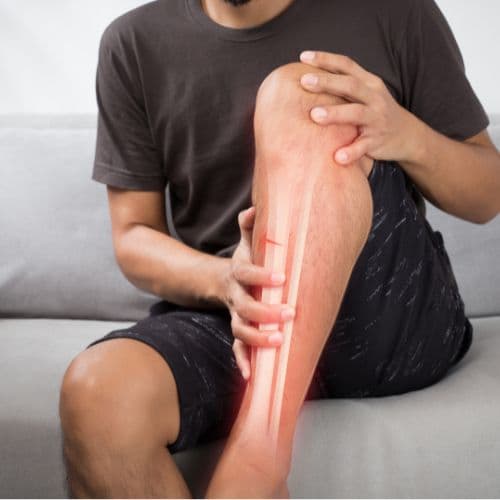
A bone fracture is a significant injury that affects not only the bone itself but also the surrounding muscles, joints, and soft tissues. While most patients focus on the healing of the fracture seen on an X-ray, true recovery goes far beyond bone union. Post-fracture rehabilitation plays a crucial role in restoring strength, movement, balance, and confidence after immobilization.
Without proper rehabilitation, patients may experience long-term stiffness, weakness, pain, or reduced functional ability—even after the bone has healed. Understanding the importance of structured rehabilitation and supportive orthopaedic aids is essential for achieving complete recovery and preventing future complications.
Understanding Bone Healing
Bone healing occurs in stages and typically takes several weeks to months, depending on the type and location of the fracture, age, and overall health.
Stages of Bone Healing
Even when the bone appears healed radiologically, muscles and joints often remain weak or stiff, highlighting the need for rehabilitation.
Impact of Immobilization
Fractures are commonly treated with casts, splints, or braces to allow proper healing. While immobilization is necessary, prolonged restriction of movement can lead to secondary problems.
Effects of Immobilization
Post-fracture rehabilitation focuses on reversing these effects safely.
What Is Post-Fracture Rehabilitation?
Post-fracture rehabilitation is a structured recovery process designed to restore function after immobilization. It begins once the bone is stable and progresses gradually under professional guidance.
The goals of rehabilitation include:
Rehabilitation plans are individualized based on fracture type, location, and patient needs.
Common Types of Fractures Requiring Rehabilitation
Rehabilitation is important after fractures involving:
Each fracture location has specific rehabilitation requirements.
Role of Orthopaedic Supports in Rehabilitation
Orthopaedic supports are commonly used during post-fracture recovery to protect healing structures while allowing controlled movement.
How Orthopaedic Supports Help
Supports are typically used during weight-bearing or activity and reduced as strength improves.
Types of Supports Used in Post-Fracture Care
Depending on the fracture site, different supports may be recommended:
Proper fitting and appropriate duration of use are essential.
Importance of Physiotherapy
Physiotherapy is the cornerstone of post-fracture rehabilitation. A guided program ensures safe and effective recovery.
Key Components of Physiotherapy
Exercises are introduced gradually and adjusted based on healing progress.
Phases of Post-Fracture Rehabilitation
Phase 1: Early Recovery
Phase 2: Strength and Mobility
Phase 3: Functional Recovery
Each phase prepares the patient for the next level of recovery.
Daily Care During Rehabilitation
Patients can support recovery through:
Consistency plays a key role in successful rehabilitation.
Nutrition and Bone Recovery
Proper nutrition supports bone healing and muscle recovery:
Nutrition complements rehabilitation efforts.
Common Mistakes Patients Make
These mistakes may delay recovery or lead to complications.
When to Seek Medical Advice
Consult a healthcare professional if:
Timely intervention prevents long-term issues.
Long-Term Outlook and Prevention
With proper rehabilitation, most patients regain full function. Long-term prevention includes:
Preventive care reduces the risk of future injuries.
Conclusion
Post-fracture recovery does not end when the cast is removed. Rehabilitation is essential for restoring strength, mobility, and independence. A structured rehabilitation program combined with appropriate orthopaedic supports helps protect healing structures while enabling safe and confident movement.
By understanding the rehabilitation process and following professional guidance, patients can achieve optimal recovery and return to their daily lives with improved function and reduced risk of complications.