FREE Shipping on orders above ₹699

FREE Shipping on orders above ₹699
FREE Shipping on orders above ₹699

by p+care
Author
Introduction
Bone health is often taken for granted until a fracture occurs after a simple fall or minor injury. Osteoporosis is a silent but serious condition that weakens bones, making them fragile and more likely to break. It affects millions of people worldwide, particularly older adults and post-menopausal women, and is a major cause of fractures involving the hip, spine, and wrist.
Because osteoporosis develops gradually and often without symptoms, early awareness, preventive care, and supportive measures are essential. Understanding the condition and adopting a comprehensive management approach can significantly reduce fracture risk and help maintain mobility and independence.
Understanding Bone Structure and Strength
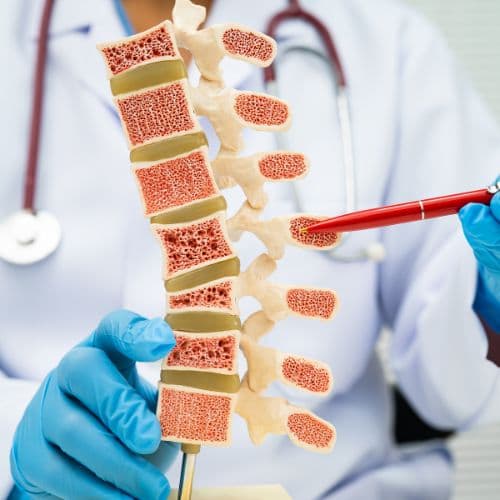
Bones are living tissues that constantly undergo a process called bone remodeling, where old bone is broken down and replaced by new bone. In healthy individuals, this process remains balanced, maintaining bone strength and density.
In osteoporosis, bone breakdown occurs faster than bone formation, leading to reduced bone density and deterioration of bone structure. As a result, bones become porous, brittle, and more prone to fractures even with minimal trauma.
What Is Osteoporosis?
Osteoporosis is a metabolic bone disease characterized by low bone mass and structural deterioration of bone tissue. This condition weakens bones and increases susceptibility to fractures, particularly in weight-bearing and high-stress areas of the skeleton.
It is often called a “silent disease” because bone loss occurs without pain or obvious symptoms until a fracture occurs.
Causes and Risk Factors
Several factors contribute to the development of osteoporosis:
1. Ageing
Bone density naturally decreases with age, especially after the age of 50.
2. Hormonal Changes
Reduced estrogen levels in women after menopause accelerate bone loss.
3. Nutritional Deficiencies
Low calcium and vitamin D intake weakens bone structure.
4. Sedentary Lifestyle
Lack of weight-bearing activity reduces bone strength.
5. Medical Conditions and Medications
Certain conditions and long-term use of steroids increase risk.
6. Family History
Genetic factors influence bone density and fracture risk.
Common Signs and Symptoms
Osteoporosis often shows no early symptoms. As the condition progresses, individuals may experience:
These signs indicate advanced bone weakness.
Common Osteoporotic Fractures
Fractures associated with osteoporosis most commonly involve:
Such fractures can significantly affect mobility and independence, especially in elderly individuals.
Diagnosis and Bone Health Assessment
Diagnosis is based on:
Early diagnosis allows timely intervention to reduce fracture risk.
Role of Orthopaedic Supports in Osteoporosis Care
Orthopaedic supports play an important role in osteoporosis management, especially in individuals at high risk of falls or fractures.
How Orthopaedic Supports Help
Supports are often recommended as part of a comprehensive care plan.
Types of Supportive Aids Commonly Used
Depending on individual needs, commonly used aids include:
These aids help reduce injury risk and improve daily function.
Importance of Rehabilitation and Physiotherapy
Rehabilitation is essential for maintaining mobility and preventing fractures in individuals with osteoporosis.
Key Rehabilitation Goals
Exercise programs are tailored to individual abilities and safety needs.
Lifestyle Measures for Bone Health
Lifestyle plays a major role in osteoporosis prevention and management:
Consistent lifestyle changes strengthen bones over time.
Preventing Falls and Fractures
Fall prevention is a critical aspect of osteoporosis care:
Preventing falls significantly reduces fracture risk.
Common Mistakes Patients Make
Proper education and guidance help avoid these issues.
When to Seek Medical Attention
Consult a healthcare professional if:
Early care prevents serious complications.
Long-Term Outlook and Prevention
While osteoporosis cannot be completely reversed, its progression can be slowed through:
Long-term care helps preserve independence and quality of life.
Conclusion
Osteoporosis is a widespread but often overlooked condition that significantly increases fracture risk. With early awareness, proper medical care, lifestyle modification, rehabilitation, and the use of appropriate orthopaedic supports, individuals can protect their bone health and maintain mobility.
Understanding osteoporosis and taking proactive steps empowers individuals to reduce fractures, improve safety, and lead active, independent lives.