FREE Shipping on orders above ₹699

FREE Shipping on orders above ₹699
FREE Shipping on orders above ₹699

by p+care
Author
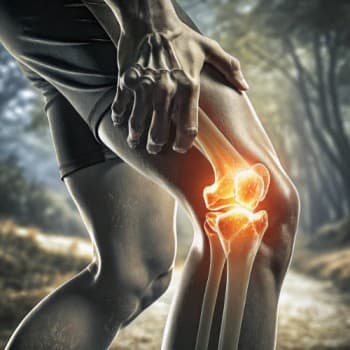
Knee pain is a widespread issue that affects people of all ages, especially those who are middle-aged or older. While occasional knee discomfort can result from overuse or minor injuries, ongoing pain, stiffness, and decreased movement often indicate a chronic condition called knee osteoarthritis.
Knee Osteoarthritis is a progressive joint disorder that can greatly impact mobility, independence, and quality of life if not treated promptly and effectively. Fortunately, with early diagnosis, suitable medical care, rehabilitation, and the use of supportive orthopaedic aids, many people can manage their symptoms and continue living active lives.
This article provides an overview of knee osteoarthritis, including its causes, symptoms, diagnosis, and the vital role of joint support and rehabilitation in long-term management.
Understanding the Knee Joint
The knee is one of the largest and most complex joints in the human body. It connects the thigh bone (femur) to the shin bone (tibia) and is supported by the kneecap (patella), cartilage, ligaments, and surrounding muscles.
Healthy cartilage serves as a cushion for smooth and pain-free movement. In knee osteoarthritis, this cartilage gradually deteriorates, reducing shock absorption and increasing friction between the bones. As a result, pain, stiffness, inflammation, and limited movement occur over time.
What Is Knee Osteoarthritis?
Knee osteoarthritis is a degenerative joint disease marked by the gradual breakdown of cartilage within the knee joint. As the condition progresses, changes can also occur in the surrounding bones, ligaments, and muscles.
Unlike inflammatory arthritis, osteoarthritis develops slowly and worsens over time. Initially mild symptoms can become more pronounced without treatment.
Causes and Risk Factors
Several factors can raise the likelihood of developing knee osteoarthritis:
1. Age
Cartilage naturally loses elasticity with age, making older adults more vulnerable.
2. Excess Body Weight
Extra body weight adds stress to knee joints, speeding up cartilage wear.
3. Previous Knee Injury
Past injuries like ligament tears or fractures can change joint mechanics.
4. Repetitive Joint Stress
Jobs or activities that involve frequent squatting, kneeling, or heavy lifting can increase the risk.
5. Muscle Weakness
Weak thigh and hip muscles can decrease joint stability and raise joint load.
6. Genetic Factors
A family history of osteoarthritis may make someone more likely to develop it.
Common Symptoms of Knee Osteoarthritis
Symptoms usually develop gradually and can vary in severity:
As the condition worsens, pain may continue even at rest.
Stages of Knee Osteoarthritis
Knee osteoarthritis is often described in stages:
Early detection allows for better symptom management and slows the progression of the disease.
Diagnosis and Medical Evaluation
Diagnosis typically involves:
Early diagnosis is crucial for starting conservative management approaches.
Role of Orthopaedic Knee Supports
One important part of conservative management is using orthopaedic knee supports. These aids help lessen joint stress and improve movement.
How Knee Supports Help
Knee supports are often recommended for daily activities, walking, exercise, or extended standing.
Types of Knee Supports Commonly Used
Different types of knee supports are used based on symptoms and activity levels:
Choosing the right one should consider individual needs and medical advice.
Importance of Rehabilitation and Physiotherapy
Rehabilitation is crucial for managing knee osteoarthritis. Physiotherapy aims to improve joint function and slow disease progression.
Key Rehabilitation Principles
When paired with suitable knee support, rehabilitation helps patients move more confidently and with less pain.
Lifestyle and Daily Care Measures
Daily habits are key to managing symptoms:
Small changes in lifestyle can significantly impact long-term outcomes.
Common Mistakes Patients Make
Proper guidance can prevent unnecessary joint damage.
When to Seek Medical Attention
Consult a healthcare provider if:
Timely help can preserve joint health.
Long-Term Outlook and Prevention
While knee osteoarthritis cannot be fully reversed, its progression can be slowed. A structured approach that includes medical supervision, rehabilitation, and supportive orthopaedic aids enables many individuals to stay active and independent for years.
Preventive strategies include:
Conclusion
Knee osteoarthritis is common but manageable. Understanding the condition, recognizing early symptoms, and following a comprehensive care plan can greatly enhance one’s quality of life. Orthopaedic knee supports, when combined with rehabilitation and lifestyle changes, are important in reducing pain, improving stability, and maintaining mobility.
With consistent care and informed choices, those with knee osteoarthritis can continue to move confidently and comfortably.