FREE Shipping on orders above ₹699

FREE Shipping on orders above ₹699
FREE Shipping on orders above ₹699

by p+care
Author
Introduction
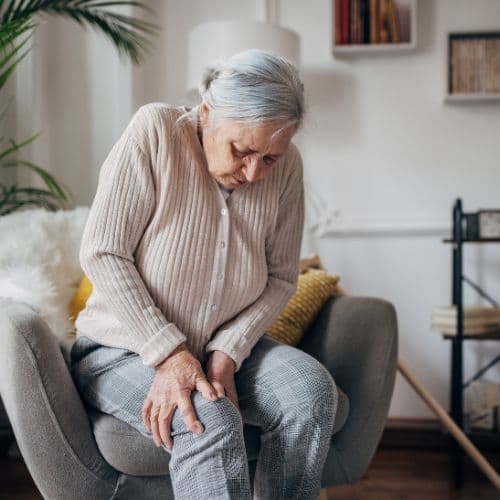
Mobility is one of the most important aspects of healthy aging. The ability to walk safely, perform daily tasks, and move without fear of falling directly influences independence and quality of life. However, as people age, natural changes in bones, joints, muscles, and balance systems can gradually reduce mobility.
Elderly mobility problems are common and may arise due to joint degeneration, muscle weakness, neurological changes, or previous injuries. Without proper management, reduced mobility can lead to falls, fractures, and loss of independence. With early intervention, rehabilitation, and the appropriate use of supportive orthopaedic aids, many older adults can maintain active and safe lifestyles.
Why Mobility Declines with Age
Age-related mobility decline is usually multifactorial. Several physiological changes contribute to this process:
1. Loss of Muscle Mass (Sarcopenia)
Muscle mass naturally decreases with age, reducing strength and stability.
2. Joint Degeneration
Conditions such as osteoarthritis affect knees, hips, and spine, leading to stiffness and pain.
3. Reduced Bone Density
Osteoporosis increases fracture risk after minor falls.
4. Balance Impairment
Changes in vision, inner ear function, and nerve response reduce balance.
5. Chronic Health Conditions
Diabetes, cardiovascular diseases, and neurological disorders affect coordination and endurance.
Understanding these changes helps guide preventive strategies.
Common Mobility Problems in the Elderly
Mobility issues may present in various forms:
These symptoms should not be considered a normal part of aging without evaluation.
Impact of Reduced Mobility
Limited mobility can have widespread effects:
Early intervention helps prevent these complications.
Role of Orthopaedic Aids in Supporting Mobility
Orthopaedic aids play a vital role in improving safety and confidence among elderly individuals.
How Supportive Aids Help
When chosen appropriately, mobility aids enhance independence rather than limit it.
Commonly Used Orthopaedic and Mobility Supports
Depending on individual needs, several aids may be recommended:
1. Knee Supports
Provide compression and stability in osteoarthritis.
2. Lumbar Supports
Assist in maintaining spinal alignment during standing or walking.
3. Ankle Supports
Improve joint stability and reduce fall risk.
4. Walking Aids
Walkers, canes, and crutches enhance balance and weight distribution.
5. Hip Protectors
Help reduce fracture risk during accidental falls.
Selection should always consider the individual's strength, balance, and daily routine.
Importance of Rehabilitation and Strength Training
Rehabilitation is one of the most effective strategies for improving elderly mobility.
Key Rehabilitation Goals
Regular, supervised exercises significantly reduce fall risk.
Balance Training and Fall Prevention
Falls are a major concern among elderly individuals. Balance training exercises focus on:
Simple measures such as installing grab bars, improving home lighting, and removing loose rugs further reduce fall risk.
Maintaining Joint Health
Joint pain often discourages movement, leading to further weakness. Strategies to maintain joint health include:
Active joints are healthier joints.
Psychological Impact of Mobility Issues
Reduced mobility often affects mental health. Fear of falling may lead to avoidance of movement, resulting in further weakness and isolation. Encouraging safe movement and confidence-building rehabilitation programs improves both physical and emotional well-being.
Common Mistakes in Managing Elderly Mobility
Proactive management leads to better outcomes.
When to Seek Medical Advice
Medical consultation is necessary if:
Early assessment allows tailored intervention.
Long-Term Strategies for Maintaining Independence
Long-term mobility preservation includes:
Independence can be preserved through consistent preventive care.
The Importance of Family and Caregiver Support
Family members and caregivers play a crucial role in supporting elderly mobility. Encouragement, supervision during exercise, and assistance in choosing appropriate supports can significantly improve outcomes.
Creating a supportive environment promotes safe independence.
Conclusion
Elderly mobility problems are common but not inevitable consequences of aging. With early awareness, structured rehabilitation, appropriate orthopaedic supports, and proactive fall prevention strategies, older adults can maintain independence, safety, and quality of life.
Mobility is closely linked to dignity and self-reliance. By prioritizing strength, balance, and supportive care, elderly individuals can continue leading active and fulfilling lives.