FREE Shipping on orders above ₹699

FREE Shipping on orders above ₹699
FREE Shipping on orders above ₹699

by p+care
Author
Introduction
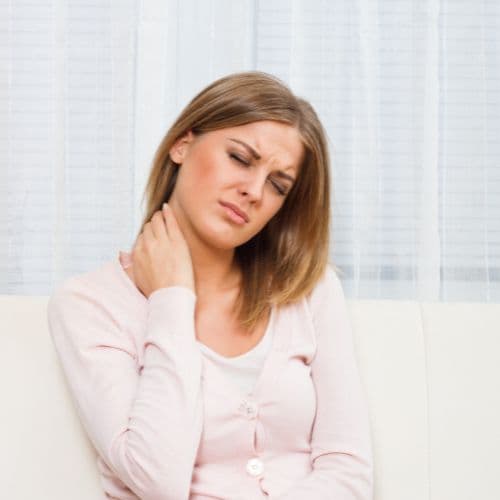
Neck pain has become increasingly common in modern lifestyles, affecting individuals across all age groups. Prolonged desk work, excessive mobile phone usage, poor posture, and lack of physical activity have contributed to a rise in cervical spine disorders. One of the most frequent causes of chronic neck pain is cervical spondylosis, a degenerative condition of the cervical spine.
Cervical spondylosis develops gradually and may remain unnoticed in its early stages. However, as degeneration progresses, it can lead to persistent pain, stiffness, nerve irritation, and reduced quality of life. With early identification, appropriate medical care, rehabilitation, and the use of supportive orthopaedic aids, symptoms can be effectively managed and further progression minimized.
Understanding the Cervical Spine
The cervical spine consists of seven vertebrae (C1–C7) located in the neck region. These vertebrae support the head, allow a wide range of movement, and protect the spinal cord and nerve roots.
Between each vertebra lies an intervertebral disc that acts as a shock absorber. Surrounding muscles, ligaments, and joints work together to provide stability and mobility. Any degeneration or imbalance in this system can lead to pain and stiffness.
What Is Cervical Spondylosis?
Cervical spondylosis refers to age-related wear and tear of the cervical spine, including degeneration of intervertebral discs, joints, and surrounding structures. Over time, discs lose hydration and elasticity, leading to reduced cushioning and increased joint stress.
Although commonly associated with aging, cervical spondylosis can also affect younger individuals due to prolonged poor posture and repetitive neck strain.
Causes and Contributing Factors
Several factors contribute to the development of cervical spondylosis:
Common Symptoms of Cervical Spondylosis
Symptoms vary depending on the severity of degeneration and nerve involvement:
Symptoms may worsen with prolonged sitting or sudden neck movements.
Stages of Cervical Spondylosis
Early intervention helps prevent progression to advanced stages.
Diagnosis and Clinical Assessment
Diagnosis is based on:
Early diagnosis allows conservative management before nerve complications develop.
Role of Orthopaedic Cervical Supports
Orthopaedic cervical supports play an important role in managing cervical spondylosis, especially during periods of pain or acute flare-ups.
How Cervical Supports Help
They are often recommended during prolonged sitting, travel, or short-term symptom relief.
Types of Cervical Supports Commonly Used
Selection should be based on symptom severity and professional advice.
Importance of Rehabilitation and Physiotherapy
Rehabilitation is essential for long-term management of cervical spondylosis. Physiotherapy focuses on restoring mobility, strengthening muscles, and correcting posture.
Key Rehabilitation Components
Combining rehabilitation with appropriate neck support improves functional outcomes.
Daily Care and Posture Management
Correct daily habits play a major role in symptom control:
Small postural changes significantly reduce cervical strain.
Common Mistakes Patients Make
Balanced movement and guidance are key to recovery.
When to Seek Medical Attention
Medical consultation is advised if:
Early care prevents nerve complications.
Long-Term Management and Prevention
Cervical spondylosis is a chronic condition but can be well managed through:
Preventive care reduces recurrence and improves quality of life.
Conclusion
Cervical spondylosis is a common condition in today’s lifestyle-driven world. Understanding its causes, recognizing early symptoms, and adopting a structured care approach can significantly reduce pain and improve function. Orthopaedic cervical supports, when used appropriately alongside rehabilitation and lifestyle modification, provide effective symptom relief and support long-term neck health.
With informed care and consistent rehabilitation, individuals can manage cervical spondylosis effectively and maintain a comfortable, active lifestyle.